The Norwegian fjords are among the most spectacular coastal landscapes in Europe. Carved by glaciers over thousands of years, these deep sea inlets stretch far inland between steep cliffs, waterfalls, and small villages. While many travelers explore the region by road or rail, traveling by boat remains one of the most immersive ways to experience the fjord landscape. Ferries and passenger boats allow visitors to approach the dramatic coastline directly from the water, revealing narrow fjord passages and towering cliffs that are often inaccessible from land. Kiel – Oslo ferry
Across western Norway, a network of coastal ferries and fjord cruises connects cities with fjord communities and remote landscapes. These maritime routes have long been part of everyday life along the coast, linking villages, islands, and trading ports. For travelers exploring the fjords, moving between destinations by boat offers a unique perspective on the coastline and allows the journey itself to become part of the experience. Bergen – Kristiansand ferry
Why the Fjords Are Best Experienced by Boat
Many of the most iconic fjord landscapes reveal their full scale only when seen from the water. From a ferry or cruise boat, travelers can observe vertical rock walls rising directly from the sea, waterfalls dropping from mountain plateaus, and small farms perched on narrow ledges above the fjord. Boat travel also provides access to fjord branches and coastal settlements that would otherwise require long detours by road. Hirtshals – Kristiansand ferry
Unlike large international ferry crossings, fjord routes usually operate on a regional scale. Some services function as everyday transportation for coastal communities, while others focus on sightseeing and tourism. Together they create a dense maritime network supported by several ferry and cruise operators that play an important role in connecting travelers with the landscapes of western Norway. Norled Fjord Line Rødne Fjord Cruise
Rødne Fjord Cruise and the Lysefjord Experience
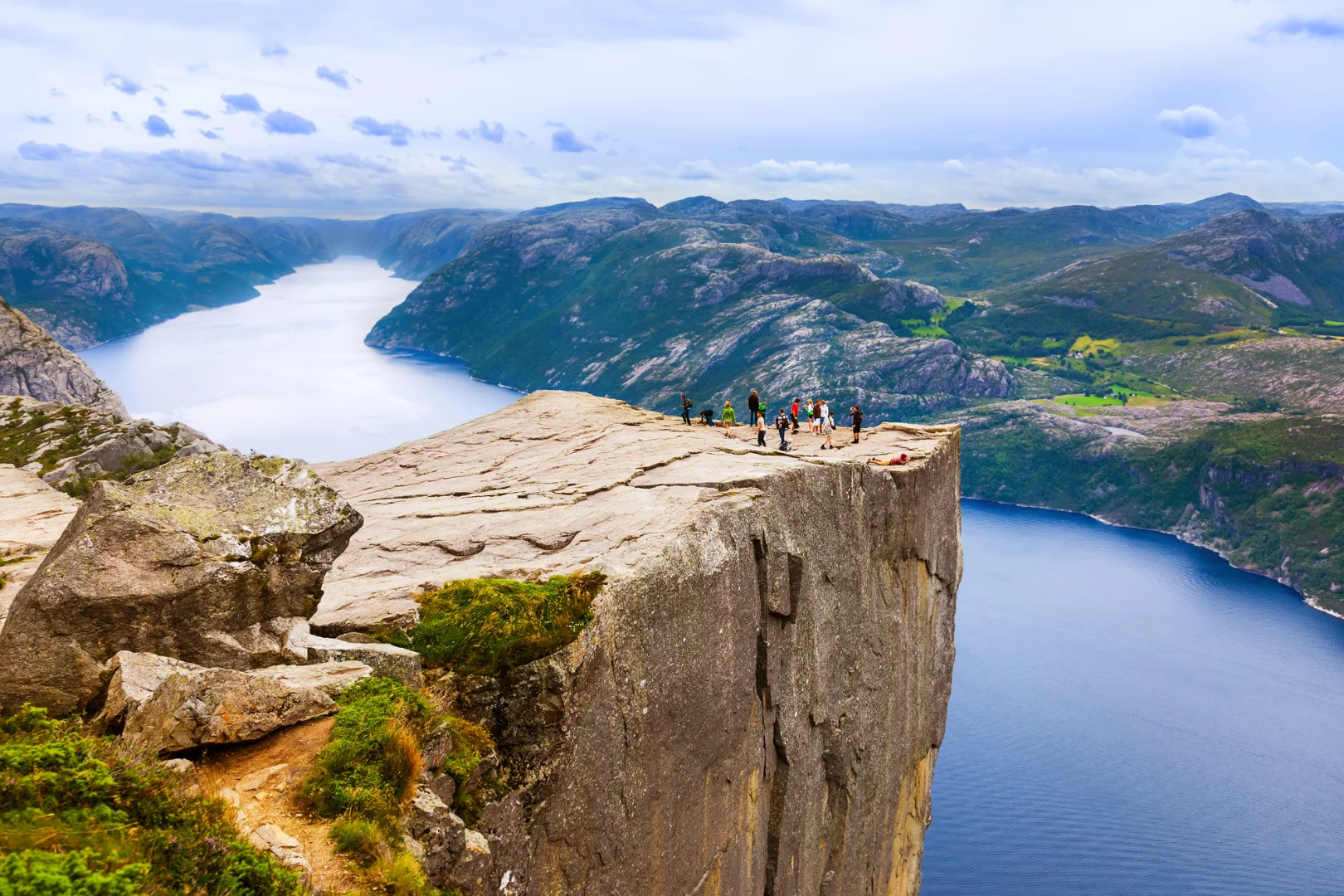
One of the best-known fjord cruise operators in southern Norway is Rødne Fjord Cruise. The company operates sightseeing excursions in the Lysefjord region near Stavanger, offering guided journeys through one of the country’s most dramatic fjord landscapes. These cruises allow visitors to experience towering granite cliffs, waterfalls, and narrow fjord passages directly from the water. Rødne Fjord Cruise
The Lysefjord is famous for its vertical cliffs and natural landmarks such as Preikestolen, also known internationally as Pulpit Rock. From the water, the scale of these rock formations becomes even more impressive. Fjord cruises typically travel deep into the fjord, passing dramatic rock walls and remote natural scenery that define the geography of southwestern Norway.
Bergen and the Western Fjords
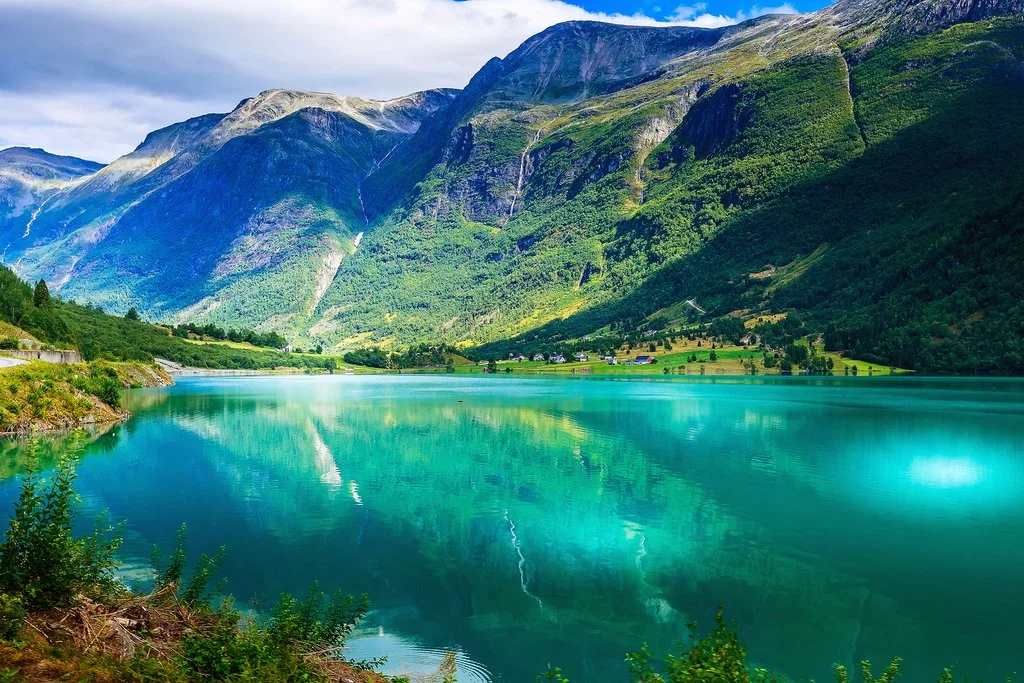
Further north, the historic city of Bergen serves as one of the main maritime gateways to the fjords of western Norway. Located on the North Sea coast, Bergen has long been an important trading port and remains a central hub for coastal transport. Many travelers begin their fjord journey from this city before continuing deeper into the surrounding fjord regions.
Another important transport connection in the Bergen area is the route linking the city with Bergen Flesland, a major regional transport hub located south of the city. This corridor connects coastal ferry travel with wider regional transport networks, helping travelers move between the fjord region and other parts of western Norway. Bergen – Flesland ferry
From the Bergen region it is possible to reach several famous fjord areas including Hardangerfjord and Sognefjord, the longest and deepest fjord in Norway. Passenger ferries and sightseeing boats connect smaller fjord communities, allowing visitors to explore remote landscapes and coastal villages that remain difficult to reach by road alone.
Local Ferries and Everyday Fjord Transport
In many coastal regions of Norway, ferries remain an essential part of everyday transportation. Fjords often interrupt road networks, and ferry crossings provide the most direct links between communities located on opposite sides of the water. These short crossings allow both residents and travelers to move efficiently along the coastline.
For travelers exploring the fjords by car, these ferry crossings frequently become part of the journey itself. Moving between fjord shores offers panoramic views of mountains, waterfalls, and quiet coastal villages, transforming routine transport into a memorable travel experience across the fjord landscape.
Reaching the Norwegian Fjords by Ferry
Many visitors begin their fjord journey by arriving in Norway through international ferry routes connecting the country with mainland Europe and Denmark. These sea crossings provide a scenic alternative to air travel and allow travelers to bring vehicles, making it easier to continue exploring the fjords by road.
A Maritime Landscape Best Experienced by Boat
Few landscapes in Europe are as closely connected to the sea as the Norwegian fjords. For centuries boats and ferries have served as the primary way to move between communities scattered along the rugged coastline.
Today travelers can still experience this maritime culture through scenic ferry routes, local crossings, and fjord cruises that reveal the dramatic beauty of the fjord landscape from the water. Combining international ferry routes with local fjord cruises offers one of the most memorable ways to explore the Norwegian coastline.